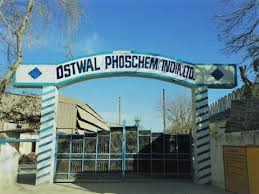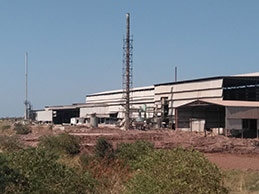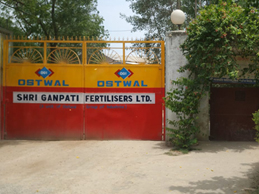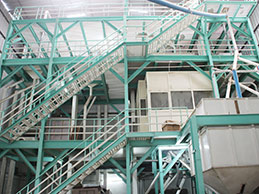


The agriculture sector in India is on the periphery of great reform. The total production of food items is likely to be doubled within the next ten years. Krishana Phoschem Ltd, a subsidiary of Ostwal phoschem (India) Ltd. And a unit of the prestigious Ostwal group, is trying to lead the agricultural sector towards a sustainable future. With its corporate office Bhilwara in Rajasthan, M/S Krishana Phoschem Ltd was incorporated as a public company back in the year 2004 and was inducted into the Ostwal group in the year 2007. Since then the company has expanded and diversified its business while establishing itself as one of the leading SSP manufacturing companies across the nation. Currently, the company has 3 manufacturing plants that have been ingeniously built across Meghnagar in Jhabua district of Madhya Pradesh.
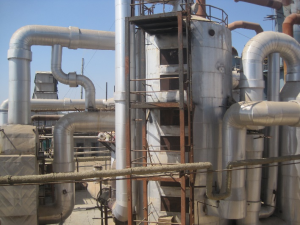
The Company is engaged in the manufacturing of Beneficiated Rock Phosphate (BRP), Single Super Phosphate (SSP), and Dyes Intermediates mainly H-Acid & Chemical products i.e., Sulphuric Acid (SA), Oleum, Coloro Sulphonic Acid & Liquid SO3. The company has also started manufacturing of Di-ammonium Phosphate (DAP), Nitrogen, Phosphorus and Potassium (NPK) complex fertilizer and Phosphoric Acid in month of Feb 2023. Beneficiated Rock Phosphate and Sulphuric Acid are basic raw materials for production of SSP, Sulphur is basic raw material for production of Sulphuric Acid, Ammonia and Phosphoric acid are basic raw material for production of DAP/ NPK complex fertilizers.
Out of three primary nutrients viz N,P & K, which every soil requires, we are dealing in N and P nutrients through SSP and DAP/ NPK complex fertilizers.
1:1 means that the watch is made according to the average ratio, and the replica rolex is almost exactly the same as the original.